Analisi dell'Insegnamento e Principi Chiave
太极拳千变万化,外在动作千姿百态,但为什么“三圆一空一顶”的内家拳铁律绝不可违背? 在本期教学中,王志祥老师系统拆解太极拳基本功核心要领,揭示内家拳与外家拳的本质分野。
🥋 【核心要点解析】 1. 裆圆(U形):两膝微撑、扣脚尖裹胯,使裆部圆润连绵,拒绝僵硬死角。 2. 丹田圆:气机自然下沉,若有凝滞以“哈”音呼出,丹田自圆自满。 3. 命门圆:命门后撑,尾闾意向前送,形成对拔拉伸延长线。 4. 空胯:胯部彻底虚空放松,方有周身如水之灵动。 5. 虚灵顶劲:不可硬顶脖颈,以微妙神意领起。
--- 【English Description】 Master Wang Zhixiang explains the essential core of Tai Chi fundamentals: "Three Circles, One Emptiness, and One Suspension" (三圆一空一顶). While external routines and postures may vary widely across different lineages, these internal geometric and energetic principles define the true boundary between internal martial arts (Neijia) and external styles (Waijia).
Key Principles: • Round Crotch (Dang): Braced knees and wrapped kua forming a smooth U-shape rather than a sharp V-shape. • Round Dantian: Sinking Qi smoothly; if obstructed, exhale gently with the sound "Ha" to fill the Dantian. • Round Mingmen: Opening the lower back by guiding the tailbone forward with mental projection. • Empty Kua: Relaxing and hollowing the hip joints for ultimate lightness and agility. • Intangible Crown Suspension (Xu Ling Ding Jin): Guided by light intention (Yi), not muscular head tension.
Nel Tai Chi dell'Acqua non si combatte mai con la tensione muscolare localizzata. Lasciate che l'intenzione (Yi) guidi il Qi, e che il Qi guidi il corpo. Cercate morbidezza, continuità e unità sferica in ogni momento della pratica.
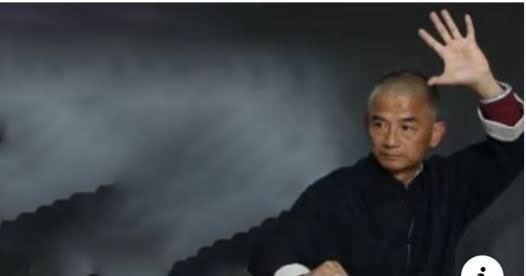
Il Maestro Wang Zhixiang
Già vicepresidente della Shanghai Wushu Association e laureato all'Università di Medicina Tradizionale Cinese di Shanghai. Formatosi sotto la guida di illustri maestri tra cui Wang Zhuanghong, Dong Bin e altri maestri. Da oltre vent'anni trasmette il Tai Chi dell'Acqua e la filosofia orientale in Europa.