The Biomechanics of Cross Hands and Leg Transitions
In the closing movements of the traditional Yang form, Cross Hands (Shi Zi Shou) and Step Back to Ride the Tiger (Dao Nian Hou / Kua Hu) introduce sophisticated crossed-axis biomechanics. Master Wang Zhixiang explains that crossing the wrists is not a defensive block; it is an energetic gathering mechanism that reunites Yin and Yang into the central vertical axis.
As the practitioner steps backward into the empty cat stance, the weight rests 100% on the coiled rear leg, while the front ball of the foot touches lightly without bearing weight.
Elastic Spring Trapping and Sovereign Neutralization
Sinking deeply into the rear hip crease compresses the anatomical spring of the pelvis and lumbar spine. When an opponent attempts a low push or kick, the crossed arms capture and sweep the force downward along the torso curvature, guiding it harmlessly into the earth.
Simultaneously, the upper body expands lightly, ready to uncoil like a cocked spring. This dual action—sinking to trap below while floating to protect above—embodies complete martial sovereignty and unshakeable root.
Frequently Asked Questions
What is the real martial purpose of Cross Hands?
Cross Hands traps an incoming strike between crossed forearms, using pelvic rotation rather than arm strength to neutralize and redirect the limb.
How should weight be balanced in 'Ride the Tiger'?
All body weight settles into the rooted rear leg, allowing the front foot to pivot, sweep, or kick instantly without preparatory weight shifting.
Why is stepping back so crucial in internal boxing?
Stepping backward creates distance and draws the opponent into over-extension, collapsing their balance as they step into empty space.
How do you prevent knee strain on the rear weighted leg?
Keep the rear knee aligned precisely with the rear toes, sink into the hip crease (Kua), and never allow the knee to track beyond the toes.
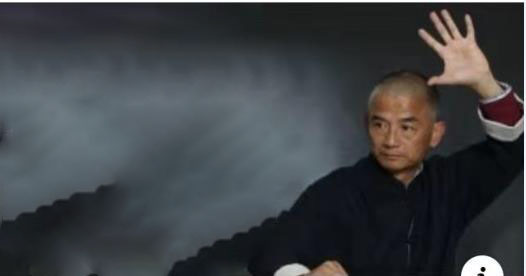
About Master Wang Zhixiang
Former Vice Chairman of the Shanghai Wushu Association, graduate of Shanghai University of Traditional Chinese Medicine. Studied under great Tai Chi grandmasters including Master Wang Zhuanghong, Master Dong Bin, and other prominent Tai Chi luminaries. Dedicated to sharing Water Tai Chi globally for over two decades.