The Dialectics of Stillness and Motion
Among internal martial artists, a recurring debate persists: should one spend hours standing like a pole (Zhan Zhuang), or focus primarily on executing graceful dynamic forms? Master Wang Zhixiang clarifies this dialectic through the timeless Taoist principle of Yin and Yang. Stillness is the mother of movement; movement is the expression of stillness.
Static standing enables the mind to discover structural imbalances, release chronic muscle gripping, and align the skeleton with gravity. However, if one only stands without moving, the body risks becoming stiff and lifeless like a wooden stump.
Harmonizing the Two into a Cohesive Daily Practice
Dynamic form practice takes the rooted calmness cultivated during standing and sets it into fluid motion. In authentic Water Tai Chi, every form is simply standing meditation in motion, while every moment of standing holds internal coiled movement.
Master Wang recommends beginning practice with 10 to 15 minutes of calm standing alignment to center the breath. Following this, the practitioner executes the forms with mindful lightness, carrying the immovable stillness of the mountain into the flowing current of the river.
Frequently Asked Questions
Should a beginner start with Zhan Zhuang or Form practice?
Both should be learned hand in hand. Standing teaches skeletal rooting and relaxation, while the form teaches footwork coordination and continuous transitions.
Can I achieve high skill by only practicing forms?
Practicing forms without standing often leads to superficial choreography, where movement lacks deep rooting and spinal structural integration.
How much time should be allocated between standing and forms?
A balanced daily routine often dedicates 15 to 20 minutes to standing followed by 30 to 45 minutes of mindful form repetitions.
What does 'stillness in motion' feel like practically?
It feels as though the body moves through quiet, effortless momentum while the internal mind and breath remain centered, calm, and unhurried.
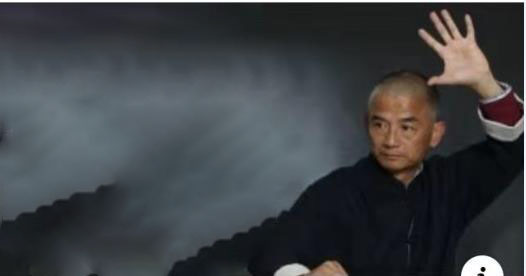
About Master Wang Zhixiang
Former Vice Chairman of the Shanghai Wushu Association, graduate of Shanghai University of Traditional Chinese Medicine. Studied under great Tai Chi grandmasters including Master Wang Zhuanghong, Master Dong Bin, and other prominent Tai Chi luminaries. Dedicated to sharing Water Tai Chi globally for over two decades.