The Sacred Architectural Principles of Internal Boxing
In traditional Tai Chi Chuan, genuine internal power does not originate from tense arm muscles or aggressive forward lunging. Instead, it relies upon an unbroken structural geometry known as the Three Circles, One Emptiness, and One Suspension. When Master Wang Zhixiang teaches foundational mechanics, he emphasizes that the body must behave like an integrated, flexible sphere floating effortlessly in water.
By establishing a curved pelvic arch (Round Crotch), maintaining abdominal spaciousness (Round Dantian), and gently expanding the lumbar curve (Round Mingmen), practitioners eliminate structural blockages. Gravity flows unimpeded from the spine down into the bubbling spring (Yongquan) points beneath the feet.
One Emptiness and Crown Suspension: Balancing Yin and Yang
The dynamic key to fluid movement lies in Empty Kua (the deep release of the hip crease). When the hips soften rather than lock, body weight transfers seamlessly without stressing the knee joints. Simultaneously, the crown point (Baihui) suspends upward with effortless quietness, as if suspended by an invisible thread from the heavens.
This upward lengthening combined with downward rooting establishes a natural vertical axis. Movements become buoyant, rounded, and responsive, enabling the practitioner to absorb and redirect incoming force with total structural integrity.
Frequently Asked Questions
What are the Three Circles in foundational Tai Chi?
The Three Circles refer to maintaining a rounded arch between the legs (Round Crotch), a relaxed spherical lower abdomen (Round Dantian), and an uncompressed, gently expanded lumbar curve (Round Mingmen).
How does an Empty Kua protect the knees?
Releasing tension in the hip crease (Kua) allows the pelvic basin to absorb weight transfers directly into the feet, preventing rotational shear and compressive torque across the knee joints.
Why is Crown Suspension essential for internal flow?
Suspending the crown point gently upward decompresses the cervical and thoracic vertebrae, allowing the nervous system and breath to flow freely without postural collapse.
How should a beginner practice these geometry keys?
Start in a relaxed natural stance for 10 to 15 minutes daily. Focus on feeling the ground beneath the soles, softening the hips, and checking that the lower back remains long and unstrained.
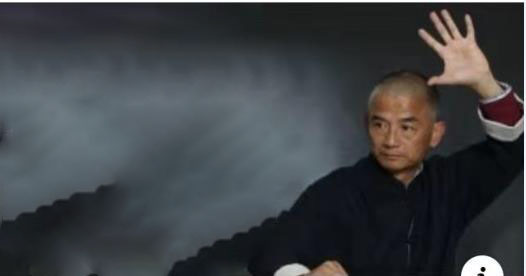
About Master Wang Zhixiang
Former Vice Chairman of the Shanghai Wushu Association, graduate of Shanghai University of Traditional Chinese Medicine. Studied under great Tai Chi grandmasters including Master Wang Zhuanghong, Master Dong Bin, and other prominent Tai Chi luminaries. Dedicated to sharing Water Tai Chi globally for over two decades.