The Traditional Wisdom: Free Circulation Fosters Ease
In classical Chinese medical thought, a foundational principle states: 'Where there is free flow, there is no pain; where there is blockage, discomfort arises.' Master Wang Zhixiang, a graduate of the Shanghai University of Traditional Chinese Medicine, applies this profound understanding to the practice of Water Tai Chi Chuan.
Modern daily life often creates chronic muscular tension through prolonged sitting and psychological stress. When movement is approached with quiet breath and relaxed intent, joints unclamp, allowing natural circulation to nourish tissues without aggressive cardiac strain.
Unwinding Physical Tension Through Meditative Motion
Unlike demanding calisthenics, moving meditation encourages slow, continuous arcs of motion that gently mobilize the fascia. As the chest softens and breathing drops into the lower abdomen, the autonomic nervous system shifts from fight-or-flight into restorative equilibrium.
By harmonizing physical posture with quiet awareness, practitioners cultivate sustainable vitality. The spine lengthens gently, chronic tightness around the neck and lower back dissolves, and a deep sense of calm settles throughout the body.
Frequently Asked Questions
How does meditative Tai Chi support natural circulation?
Gentle circular movements and relaxed diaphragmatic breathing assist venous return and lymphatic flow without elevating blood pressure or inducing strain.
Why is stillness as important as movement?
Standing quietness (Wuji) allows the nervous system to recalibrate posture and lets postural holding patterns release into natural gravity alignment.
Can people with stiff joints practice this routine?
Yes, movements can be adapted to any comfortable range of motion. Gentle, unforced motion helps nourish cartilage and maintain mobility.
What is the best time of day to practice moving meditation?
Early morning practice helps awaken the body and clear mental fog, while gentle evening practice helps release accumulated tension before sleep.
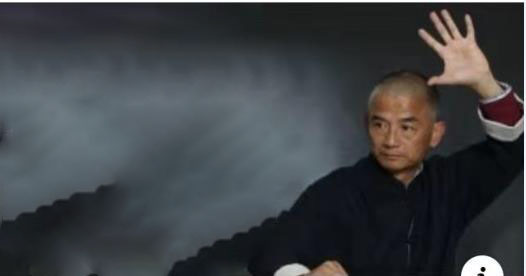
About Master Wang Zhixiang
Former Vice Chairman of the Shanghai Wushu Association, graduate of Shanghai University of Traditional Chinese Medicine. Studied under great Tai Chi grandmasters including Master Wang Zhuanghong, Master Dong Bin, and other prominent Tai Chi luminaries. Dedicated to sharing Water Tai Chi globally for over two decades.