The Three Internal and Three External Harmonies
In genuine internal martial arts, power is not measured by the size of one's biceps or the speed of an aggressive punch. Classical treatises speak of the Six Harmonies (Liu He), divided into the Three Internal (Heart with Intent, Intent with Qi, Qi with Power) and the Three External (Shoulders with Hips, Elbows with Knees, Hands with Feet). Master Wang Zhixiang presents this ancient framework not as abstract mysticism, but as precise somatic biomechanics.
When mental intention unifies with relaxed breath, the nervous system ceases firing antagonistic muscles. The entire skeleton connects like a suspension bridge, allowing internal elastic power (Jin) to ripple smoothly through the limbs.
From Muscular Effort (Li) to Fluid Power (Jin)
The transition from external muscle (Li) to internal energy (Jin) requires unlearning habitual tension. Brute force is rigid, localized, and easily exhausted; internal Jin is buoyant, whole-bodied, and continuous like an ocean wave.
By cultivating quiet presence, the practitioner allows movement to be guided by intention rather than physical straining. When contact is made with an opponent or during solo form practice, force transfers instantly from the grounded feet into the fingertips with effortless elegance.
Frequently Asked Questions
What is the difference between Li (muscle) and Jin (internal power)?
Li is localized, tense muscular effort that tires quickly. Jin is whole-body elastic momentum generated through skeletal alignment, fascial elasticity, and relaxed intent.
How does one train the mind to lead the body?
By slowing down form practice, eliminating rushing, and focusing mental awareness on weight transitions and continuous circular paths of movement.
What are the Three Internal Harmonies?
Heart unifies with Intent (Xin with Yi), Intent unifies with Breath (Yi with Qi), and Breath unifies with Power (Qi with Li/Jin).
How do the Six Harmonies prevent physical injury?
By aligning the joints (shoulders over hips, knees over feet), stress distributes evenly across the entire skeletal frame, preventing localized joint wear.
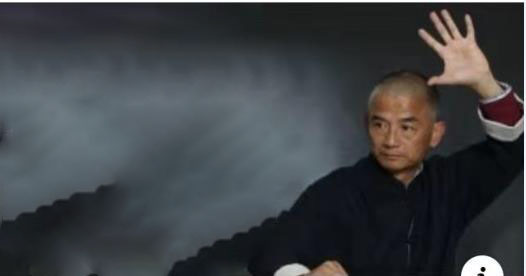
About Master Wang Zhixiang
Former Vice Chairman of the Shanghai Wushu Association, graduate of Shanghai University of Traditional Chinese Medicine. Studied under great Tai Chi grandmasters including Master Wang Zhuanghong, Master Dong Bin, and other prominent Tai Chi luminaries. Dedicated to sharing Water Tai Chi globally for over two decades.